
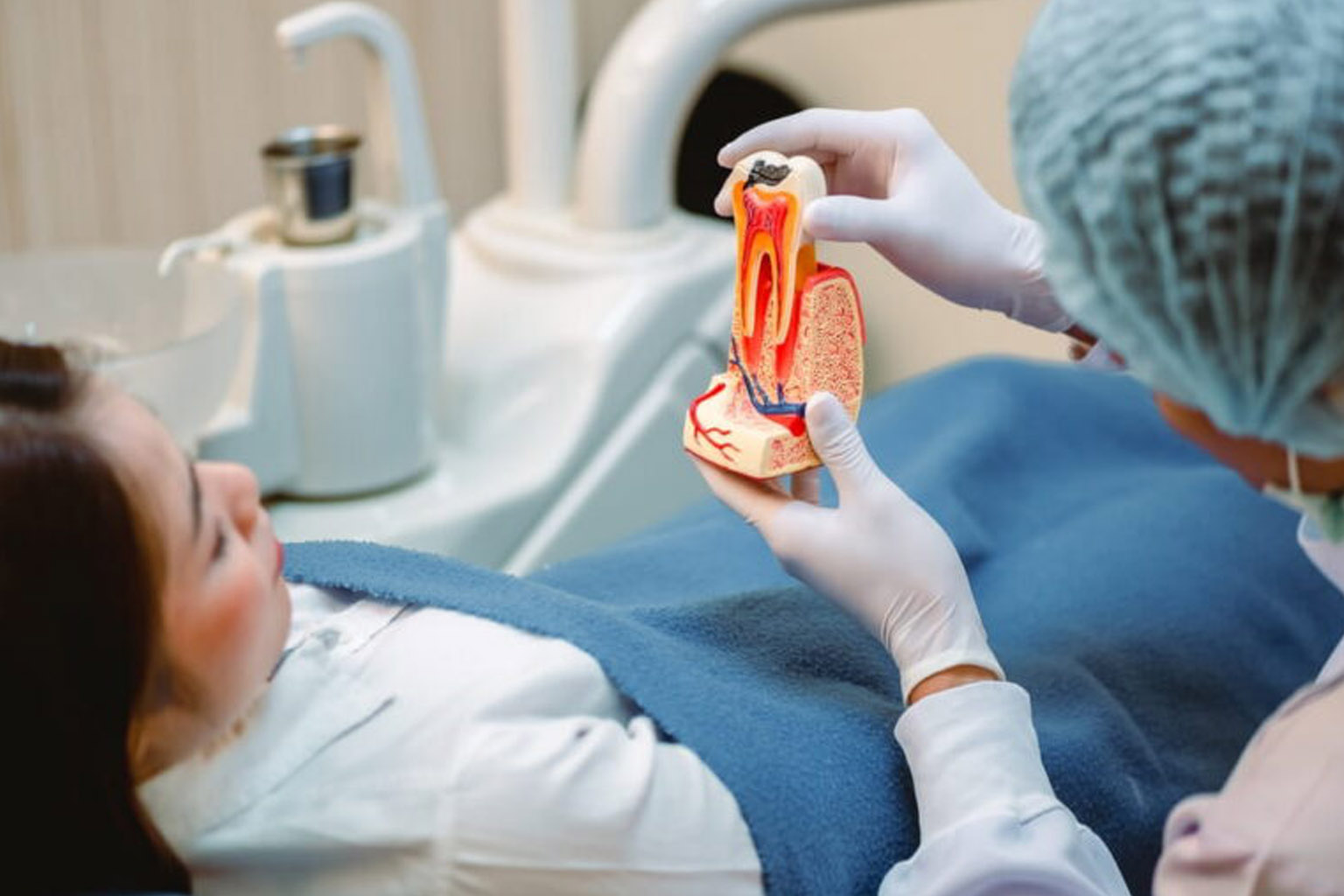
Persistent tooth pain, sensitivity, or swelling may indicate an infection deep inside the tooth that requires professional treatment. At Waterford Dental, Dr. Rishi Patel and Dr. W. Scott Ward provide advanced root canal treatment designed to relieve discomfort, eliminate infection, and preserve natural teeth whenever possible. Modern root canal therapy is a highly effective restorative procedure that may help patients avoid tooth extraction while restoring comfort and oral function.
Patients throughout Waterford Township and nearby Oakland County communities, including Clarkston, White Lake, West Bloomfield, Commerce Township, Pontiac, Bloomfield Hills, Birmingham, Rochester Hills, and Lake Orion, trust Waterford Dental for comprehensive dental care delivered entirely in-house. Using modern diagnostic technology and patient-focused techniques, the practice helps patients receive timely treatment for infected or damaged teeth in a comfortable environment.
Warning Signs That May Indicate a Root Canal Is Needed
Dental infections can worsen over time when left untreated. Early diagnosis and treatment may help preserve the affected tooth and reduce the risk of complications.
Common symptoms that may indicate the need for root canal therapy include:
- Persistent tooth pain or throbbing
- Sensitivity to hot or cold temperatures
- Pain when chewing or biting
- Swelling around the gums or jaw
- Tooth discoloration or darkening
- A pimple-like bump on the gums
- Lingering sensitivity after eating or drinking
- Deep decay or large cavities
- Cracked or fractured teeth
- Tenderness near the affected tooth
- Facial swelling related to dental infection
- Bad taste or odor caused by infection drainage
Understanding the Root Canal Treatment Process
Root canal therapy involves carefully removing infected or damaged tissue from inside the tooth while preserving the remaining tooth structure. The process is designed to eliminate infection and restore long-term function.
- Comprehensive Dental Examination: The first step involves a detailed examination of the affected tooth and surrounding structures. Digital X-rays and advanced imaging help identify infection, internal damage, abscesses, or bone loss. Dr. Patel and Dr. Ward evaluate the severity of the condition and determine whether root canal therapy is appropriate.
- Local Anesthesia and Patient Comfort: Before treatment begins, local anesthesia is administered to numb the tooth and surrounding tissues. Patient comfort remains a priority throughout the procedure. Modern techniques help minimize discomfort and allow many patients to feel relaxed during treatment.
- Removal of Infected Pulp Tissue: A small opening is created in the tooth to access the infected pulp chamber and root canals. Specialized instruments are used to carefully remove infected tissue, bacteria, and debris from inside the tooth. The canals are then cleaned, disinfected, and shaped to prepare for sealing.
- Filling and Sealing the Tooth: Once the canals are thoroughly cleaned, they are filled with a biocompatible material designed to seal the internal space and help prevent reinfection. Proper sealing is essential for long-term treatment success.
- Restoring the Tooth Structure: After root canal therapy, many teeth require a dental crown to restore strength and protect against fractures. Crowns help reinforce teeth that may have become weakened by decay or infection. Waterford Dental provides comprehensive restorative solutions to complete treatment efficiently.
- Follow-Up and Long-Term Monitoring: Patients typically return for follow-up evaluations to ensure healing progresses properly. Routine dental visits allow the dental team to monitor the treated tooth and surrounding tissues while supporting long-term oral health.
How Preventive Care May Reduce the Need for Root Canal Therapy
Although some dental injuries and infections cannot always be prevented, strong oral hygiene habits may significantly reduce the risk of needing root canal treatment. Preventive dental care helps limit the progression of cavities and gum disease that may eventually affect the inner tooth structure. Brushing twice daily with fluoride toothpaste and flossing regularly helps remove plaque and bacteria before decay becomes severe. Routine dental cleanings and examinations also allow dentists to identify small cavities or cracks early, often before infection develops inside the tooth.
Patients who grind or clench their teeth may benefit from custom night guards to reduce excessive pressure and prevent fractures. Cracked teeth may allow bacteria to enter the pulp chamber, leading to an infection over time. Avoiding sugary foods and beverages may also help reduce cavity formation and bacterial growth. Consistent hydration and healthy dietary choices support overall oral health and reduce acid exposure that weakens enamel. Protective mouthguards are recommended for patients participating in sports or activities that increase the risk of dental trauma. Injuries to teeth may damage internal pulp tissue even when external damage appears minimal. Prompt treatment of dental pain, fractures, or sensitivity is equally important. Delaying care often allows minor problems to worsen into deeper infections that require more extensive treatment.
Frequently Asked Questions About Root Canal Treatment
Is a root canal painful?
Modern root canal treatment is designed to relieve pain caused by infection rather than create discomfort. Local anesthesia and advanced techniques help most patients remain comfortable during the procedure.
How long does root canal treatment take?
Treatment time depends on the condition of the tooth and the complexity of the infection. Many root canal procedures may be completed in one or two visits.
Will I need a crown after a root canal?
Many teeth treated with root canal therapy benefit from a dental crown for additional protection and strength. Your dentist will determine whether a crown is recommended based on the condition of the tooth.
Can a root canal save my tooth permanently?
A properly treated and restored tooth may last many years with good oral hygiene and regular dental care. Long-term success depends on maintaining the health of the surrounding tooth structure and gums.
What happens if I delay root canal treatment?
Delaying treatment may allow the infection to spread and worsen over time. Severe infection may eventually lead to abscesses, bone loss, or tooth extraction if not addressed promptly.
Protect Your Smile with Advanced Root Canal Care
At Waterford Dental, Dr. Rishi Patel and Dr. W. Scott Ward provide comprehensive root canal treatment to relieve pain, eliminate infection, and preserve natural teeth whenever possible. Using advanced diagnostic technology and modern endodontic techniques, the practice provides efficient, comfortable care in one convenient location.
Patients throughout Waterford Township and surrounding Oakland County communities, including Clarkston, White Lake, West Bloomfield, Commerce Township, Pontiac, Bloomfield Hills, Birmingham, Rochester Hills, and Lake Orion, can receive personalized treatment designed to restore oral health and long-term comfort. Whether you are experiencing tooth pain, infection, or dental sensitivity, Waterford Dental offers comprehensive restorative solutions tailored to your needs.
If you are experiencing symptoms of a dental infection or severe tooth discomfort, early treatment may help prevent complications and preserve your natural smile. Contact Waterford Dental today to learn more about root canal treatment in Waterford, MI.